Global Media Law or Ethics
The improvements in digital technology and the internet has caused changes to the media industry, allowing information to spread worldwide. Due to this, it has become more critical to develop some global media laws and ethical principles that can regulate the content being circulated across borders. This paper is going to provide an overview of global media law and ethics and their significance in today's media landscape.
Media Law refers to the legal framework that regulates the production, distribution, and consumption of mass media content. While there are some countries that have their own specific media laws, there is a growing need for a global set of laws that can govern the media industry on a global level. One example of such law is the United Nations' Universal Declaration of Human Rights, which is guaranteeing the right to freedom of expression and information.

Another example of a global media law is the International Covenant on Civil and Political Rights (ICCPR), which is a legally binding international agreement that outlines the rights of individuals to freedom of expression, including the right to receive and impart information. The ICCPR has been ratified by 173 countries, making it one of the most widely accepted international human rights treaties.

However, despite the existence of global media laws, there are still challenges in enforcing them. For example, the lack of a global enforcement mechanism makes it difficult to hold media companies accountable for violations of media laws.
Media Ethics refers to the moral principles that govern the behavior of journalists and media organizations. Global media ethics aim to provide a set of ethical guidelines that can be applied across different countries and cultures. One example of a global media ethics document is the International Federation of Journalists (IFJ) Code of Ethics, which outlines principles such as truthfulness, accuracy, and impartiality in reporting.
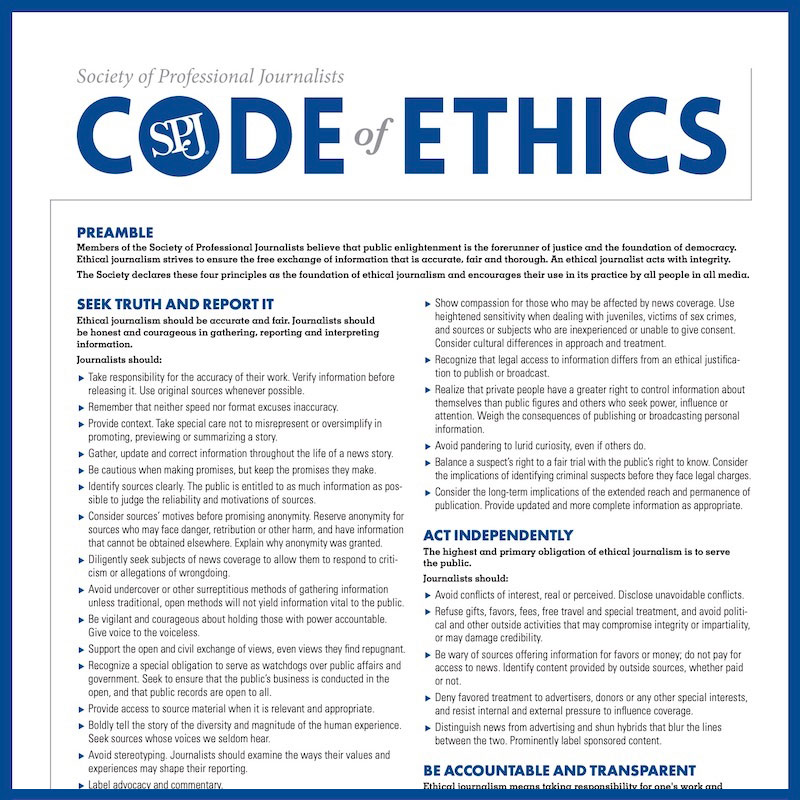
Another example of a global media ethics document is the UNESCO Media Development Indicators, which provide a set of guidelines for promoting media pluralism, independence, and diversity. These guidelines aim to ensure that the media is free from political interference and that journalists are protected from violence and harassment.
While global ethics are not legally binding, they are essential for maintaining the credibility and integrity of the media industry. However, like global media laws, there are challenges in enforcing global media ethics. For example, the lack of a global enforcement mechanism means that media organizations can often ignore ethical guidelines without any consequences.
In conclusion, global media law and ethics are essential for regulation the media industry on a global scale. While three are existing global laws and ethical guidelines, there is a need for stronger enforcement mechanisms to ensure that media organizations are held accountable for their actions. In addition, the development of global media laws and ethics should take into account the diverse cultural and political contexts of different countries to ensure that they are effective and relevant.
Kommentarer
Skicka en kommentar